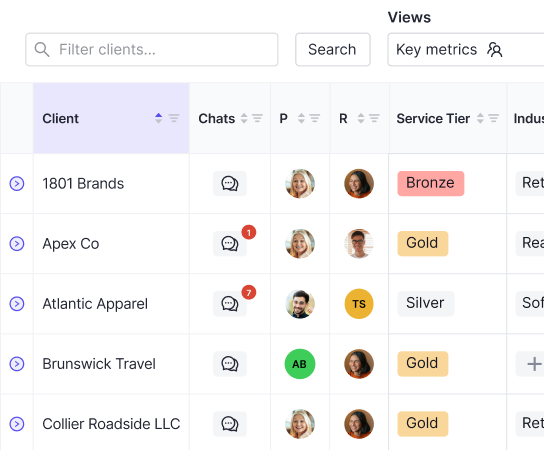


Most finance teams track their close in one tool and do the actual work somewhere else, which means copying data, updating status manually, and losing hours to coordination that shouldn't exist. Your reconciliations, flux analysis, and journal entries live outside the system that's supposed to manage the close, so nothing syncs and your dashboard is always a day behind. Close management systems for finance teams worth using don't just track tasks, they connect to your ERP and execute the close work so your team reviews instead of rebuilds.
TLDR:
- Close management systems automate task assignment, reconciliations, and ERP integrations to cut close times and reduce manual handoffs.
- Tools ranked on execution capability vs. status tracking, bi-directional ERP sync, and pricing models that don't penalize team growth.
- FloQast and BlackLine fit enterprise teams with deep GL needs and dedicated IT resources for multi-month implementations.
- Numeric offers AI-assisted flux analysis and reconciliation modules for mid-market corporate finance teams.
- Double executes close work for accounting firms with AI handling data collection and per-client pricing, delivering 30 to 50% time savings per close.
What Are Close Management Systems for Finance Teams?
Close management systems are software tools that help finance teams plan, track, and complete the monthly, quarterly, or annual financial close process. Instead of relying on spreadsheets, email threads, and shared drives to coordinate who owns what task, these tools bring the entire close workflow into one place.
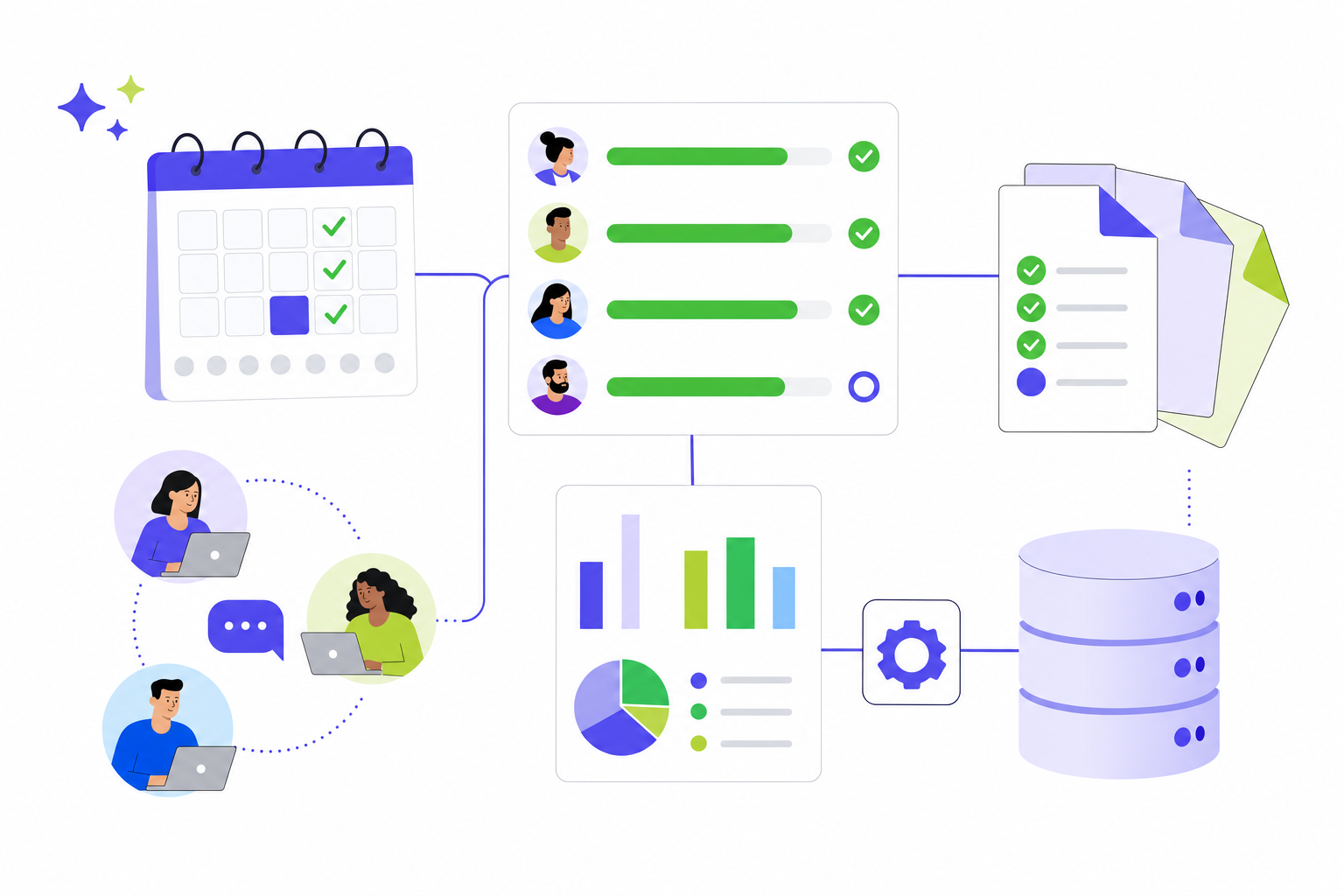
At their core, they handle task assignment, deadline tracking, status visibility, and documentation across the close cycle. More capable options also connect directly to your ERP or accounting software to pull trial balance data, flag anomalies, and automate recurring reconciliations. Teams using structured close management processes report faster cycles and fewer last-minute surprises. Best practices for month-end closing prioritize automation and standardization to reduce manual intervention.
Finance teams use them to cut down close cycle times, reduce errors from manual handoffs, and give leadership real-time visibility into where the close actually stands.
How We Ranked Close Management Systems for Finance Teams
Ranking these tools required looking beyond feature checklists. Several close management systems claim to simplify the financial close, but the gap between tracking status and actually executing close work is wide enough to matter.

Each tool was assessed across six criteria:
- ERP integration depth (bi-directional sync vs. read-only connections that still require manual ledger updates)
- Automation coverage across the close cycle, including bank feeds, journal entries, accruals, and reconciliations
- Execution capability (whether the tool does close work inside the product or just monitors tasks while the real work happens elsewhere)
- Pricing accessibility, including contract flexibility and whether growth is penalized by per-seat models
- Implementation and support quality based on product documentation and verified user reviews
- Fit for small, senior finance teams without enterprise IT resources
Tools that scored well on visibility but required users to exit the product to execute actual accounting work were ranked lower, regardless of other strengths.
Best Overall Close Management System: Double
Double is built for accounting firms managing multiple client closes simultaneously, and it shows in how the product is actually designed.
Where most close management tools give you a checklist and call it coordination, Double executes work on your behalf. Its AI handles data collection, document chasing, and reconciliation prep so your team spends time reviewing and approving, not gathering.
What Sets Double Apart
- The two-way sync with QuickBooks Online, NetSuite, and Sage Intacct means your close data stays current without manual imports or export routines that silently fall out of date.
- AI-generated task assignments adapt to each client's history, so recurring close steps get prepped before you even open the file.
- Client communication is handled inside the workflow, cutting out the back-and-forth that typically lives in email threads nobody can find later.
- Pricing is per connected client with no user fees, which scales cleanly as your firm grows without punishing you for adding staff.
Who It Works Best For
Double is the strongest fit for accounting firms running five or more client closes per month who want less time on coordination and more time on review. It simplifies the close without asking your team to rebuild their workflow from scratch.
Firms using Double have documented 30 to 50% reductions in close time per client, a number tied directly to eliminating manual data collection and client follow-up cycles.
Numeric
Numeric is a close management tool built for in-house finance teams that want faster month-end closes without heavy implementation lift. It connects to your ERP and general ledger to pull in actuals, then gives your team a structured workspace to run reconciliations, flux analysis, and task management in one place.
The tool leans into AI to speed up repetitive review work. Its AI-assisted flux commentary, for example, can draft variance explanations automatically so analysts spend less time writing and more time thinking.
Where Numeric Works Well
- It suits mid-market finance teams that outgrew spreadsheets but want something lighter than FloQast or Oracle ARCS.
- The reconciliation module ties sub-ledger balances to GL accounts and flags discrepancies for review, reducing the manual matching that typically eats into close week.
- Flux analysis is built in, not bolted on, so teams get automated period-over-period commentary without exporting to a separate tool.
Things to Keep in Mind
- Numeric is geared toward corporate finance teams, so accounting firms managing multiple clients will find the product architecture less suited to their workflows.
- Reporting customization has limits compared to enterprise-grade alternatives, which can matter for teams with complex consolidation needs.
FloQast
FloQast is a well-regarded close management tool built for accounting teams, with a strong reputation among mid-market and enterprise finance departments. It connects directly to your general ledger, ties reconciliations to supporting documentation, and gives controllers a real-time view of close progress across the team.
The core workflow revolves around task assignment, status tracking, and reconciliation sign-offs. Team members get assigned checklist items, attach their support, and mark tasks complete. Controllers see a live dashboard showing what's done, what's overdue, and where the bottlenecks are.
A few things worth knowing before considering FloQast:
- Pricing is user-based and tends to run higher than alternatives, with multi-year commitments that can make it harder to exit if your team's needs change.
- It's built for larger teams with dedicated accounting staff, so smaller finance functions may find the feature set more than they need.
- Implementation typically requires meaningful IT involvement and a structured onboarding process before the team sees full value.
FloQast is a credible choice for enterprise teams that want deep GL connectivity and proven workflow controls, particularly if they already operate inside a structured close process and have the headcount to support it.
BlackLine
BlackLine is one of the most recognized names in financial close management, built for enterprise finance teams managing high-volume, high-complexity close cycles.
What BlackLine Does Well
BlackLine's core strength is account reconciliation at scale. Large organizations with hundreds of entities and thousands of GL accounts can run reconciliations automatically, flag exceptions, and route items for review without manual intervention. Its compliance and audit trail features are genuinely strong, which matters for public companies under SOX requirements.
Where BlackLine Falls Short
The limitation worth noting is cost and implementation complexity. BlackLine typically requires a lengthy enterprise sales process, substantial IT involvement, and months of onboarding. For mid-market finance teams, that overhead rarely pays off.
BlackLine | |
|---|---|
Best For | Large enterprise, public companies |
Standout Feature | Automated reconciliation at scale |
Pricing | Enterprise (custom quote) |
Implementation Time | Several months |
Karbon
Karbon is practice management software built for accounting firms, and its close management features sit within a broader workflow and collaboration suite. It handles task assignment, client communication, and job tracking across teams, making it a reasonable fit for firms that want one tool covering multiple practice areas.
The limitation worth noting is that close management is secondary to Karbon's core focus. Teams running high-volume monthly closes often find that the checklist and workflow tools lack the depth of a purpose-built close management system. There's no native ERP sync, so reconciliation status has to be updated manually.
Karbon works best for smaller firms where practice management and close tracking can share the same tool without meaningful tradeoffs.
Feature Comparison Table of Close Management Systems for Finance Teams
Here's how these six tools compare across the features that matter most during the close.
Feature | Double | Numeric | FloQast | BlackLine | Karbon |
|---|---|---|---|---|---|
AI Bank Feeds | Yes | No | No | No | No |
AI Journal Entries | Yes | Yes | Yes | Yes | No |
Automated Accruals | Yes | Yes | No | No | No |
AI Reconciliations | Yes | Yes | Yes | Yes | No |
Interactive Reporting | Yes | No | No | Yes | No |
AI Flux Analysis | Yes | Yes | Yes | Yes | No |
Native ERP Integration | Yes | Yes | Yes | Yes | No |
Sage Intacct/NetSuite Support | Yes | Yes | Yes | Yes | No |
AI bank feeds and per-client pricing appear exclusively with Double across this group. Karbon is the only tool here with no native ERP integration, which limits what it can automate at the transaction level. BlackLine and FloQast cover more of the feature set but carry pricing and implementation requirements that put them out of reach for smaller finance teams.
Why Double Is the Best Close Management System for Finance Teams
Double was built for finance teams that manage the close across multiple entities without enterprise IT resources, and that focus shows in every feature.
Where most close management tools ask finance teams to adapt their workflows to fit the software, Double works the other way around. It connects directly to your ERP — QuickBooks Online, NetSuite, or Sage Intacct — with a two-way sync, so the books and the close checklist stay in lockstep without anyone manually copying data between tabs.
What Sets Double Apart
The AI layer in Double goes beyond flagging anomalies. It drafts explanations, prepares supporting workpapers, and moves tasks forward autonomously so reviewers spend time on judgment calls, not data entry.
A few things worth knowing:
- The flat annual rate means your team gets full access without user seat fees or costs that scale up as headcount grows.
- Client-facing collaboration is built in, so requests, document collection, and approvals happen inside the same workspace as the close checklist instead of scattered across email threads.
- Firms consistently report 30 to 50% reductions in time spent per close, which compounds quickly across a book of business with dozens of clients.
Who It's Built For
Double fits mid-market finance teams best, particularly those running the close across multiple entities without enterprise IT resources. If your team manages the close in QuickBooks Online, NetSuite, or Sage Intacct, the workflow was designed with exactly that in mind.
Final Thoughts on Selecting a Close Management System
Close management tools built for task tracking won't solve the data collection and reconciliation prep that consumes most of your close cycle. The question isn't whether a tool has AI features, but whether it executes close work inside the product or sends you back to spreadsheets. If your finance team runs the close in QuickBooks Online, NetSuite, or Sage Intacct, book a demo to see how Double's AI handles the work your team currently does manually.